In recent years, the concept of generational equity has gained increasing attention across legal, political, and environmental spheres. At its core, generational equity refers to the idea that present generations should manage resources, policies, and systems in a way that does not unfairly disadvantage future generations. One of the most compelling ways this principle has entered public discourse is through what is now commonly referred to as a generational equity lawsuit.
- What Is a Generational Equity Lawsuit?
- The Legal Foundations of Generational Equity
- Climate Change: The Driving Force Behind Modern Lawsuits
- Key Elements of a Generational Equity Lawsuit
- 1. Plaintiffs Representing Future Interests
- 2. Government or Corporate Accountability
- 3. Scientific Evidence
- 4. Rights-Based Arguments
- Landmark Cases and Global Momentum
- Why These Lawsuits Matter
- 1. Redefining Responsibility
- 2. Empowering Youth Voices
- 3. Bridging Law and Science
- 4. Shaping Future Legal Standards
- Challenges and Criticisms
- Beyond Climate: Other Applications of Generational Equity
- The Ethical Dimension
- The Role of Governments and Institutions
- The Future of Generational Equity Lawsuits
- Conclusion
- YOU MY ALSO READ
These lawsuits are reshaping how courts, governments, and societies think about responsibility—not just to current citizens, but to those yet unborn. This article explores the meaning, significance, legal foundations, and real-world implications of generational equity lawsuits, while also examining their challenges and future potential.
What Is a Generational Equity Lawsuit?
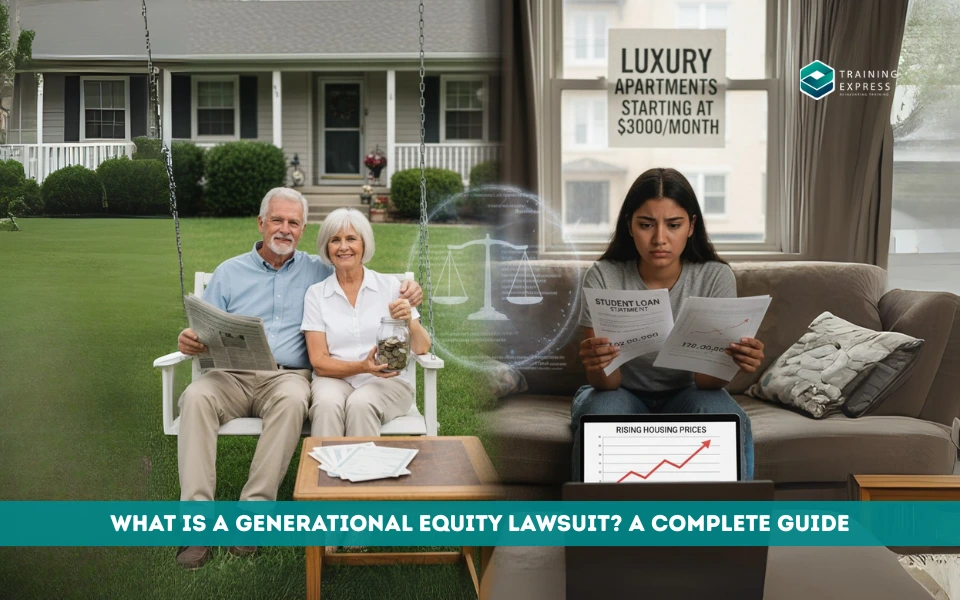
A generational equity lawsuit is a legal action brought—often by young people or on behalf of future generations—against governments, corporations, or institutions for failing to protect long-term interests. These cases typically argue that current policies or practices are causing irreversible harm to future generations, particularly in areas like climate change, natural resource depletion, public debt, and environmental degradation.
The central claim is simple yet powerful: today’s decisions should not compromise tomorrow’s opportunities.
The Legal Foundations of Generational Equity
While the term “generational equity” may sound modern, its philosophical roots go back centuries. Thinkers like Edmund Burke argued that society is a partnership not only among the living but also with the dead and the unborn. In legal terms, this idea has evolved into doctrines such as:
1. Public Trust Doctrine
This principle holds that certain resources—like air, water, and forests—are preserved for public use, and governments are responsible for protecting them for both current and future generations.
2. Constitutional Rights
Some lawsuits argue that environmental protection is a fundamental human right, embedded in constitutional guarantees such as the right to life, liberty, or dignity.
3. International Law
Global agreements increasingly recognize intergenerational responsibility. For example, climate accords emphasize sustainability and long-term environmental stewardship.
Climate Change: The Driving Force Behind Modern Lawsuits
The most prominent generational equity lawsuits today are tied to climate change. Young plaintiffs around the world are taking legal action against governments for failing to reduce greenhouse gas emissions or enforce environmental protections.
These cases argue that:
- Governments are knowingly contributing to climate harm
- The consequences—rising sea levels, extreme weather, food insecurity—will disproportionately affect younger and future generations
- Failure to act violates fundamental rights
One of the most notable aspects of these lawsuits is that they frame climate change not just as an environmental issue, but as a justice issue across time.
Key Elements of a Generational Equity Lawsuit
Although each case is unique, most generational equity lawsuits share several core elements:
1. Plaintiffs Representing Future Interests
Often, young people serve as plaintiffs, symbolizing future generations. In some cases, organizations or legal guardians act on behalf of those not yet born.
2. Government or Corporate Accountability
Defendants are usually entities with significant influence over long-term outcomes—such as governments, energy companies, or industrial sectors.
3. Scientific Evidence
These cases rely heavily on scientific data to demonstrate long-term harm, particularly in environmental and climate-related claims.
4. Rights-Based Arguments
Rather than focusing solely on policy failures, plaintiffs often argue that their fundamental rights are being violated.
Landmark Cases and Global Momentum
Generational equity lawsuits are no longer isolated incidents—they are part of a growing global movement. Courts in multiple countries have begun to recognize the legitimacy of intergenerational claims.
Some cases have resulted in:
- Court orders requiring governments to reduce emissions
- Legal recognition of environmental rights
- Increased accountability for long-term policy decisions
Even when plaintiffs do not win outright, these lawsuits often influence public policy and raise awareness, creating pressure for systemic change.
Why These Lawsuits Matter
1. Redefining Responsibility
Generational equity lawsuits challenge the traditional short-term focus of politics and economics. They push decision-makers to consider the long-term consequences of their actions.
2. Empowering Youth Voices
Young people, who will live longest with the consequences of today’s decisions, are gaining a platform to influence policy through the legal system.
3. Bridging Law and Science
These cases bring scientific evidence into the courtroom, forcing legal systems to grapple with complex, long-term risks.
4. Shaping Future Legal Standards
As more cases emerge, they are helping to establish new legal precedents that could redefine environmental and constitutional law.
Challenges and Criticisms
Despite their growing influence, generational equity lawsuits face several significant challenges:
1. Legal Standing
Courts often question whether plaintiffs—especially future generations—have the legal right to bring a case. Proving direct harm can be difficult when the damage is long-term or probabilistic.
2. Separation of Powers
Some critics argue that courts should not interfere with policy decisions, which are traditionally the domain of legislative and executive branches.
3. Enforcement Issues
Even when courts rule in favor of plaintiffs, enforcing long-term policy changes can be complex and politically contentious.
4. Economic Concerns
Opponents sometimes claim that strict environmental regulations could hinder economic growth or development, particularly in developing countries.
Beyond Climate: Other Applications of Generational Equity
While climate change dominates the conversation, generational equity lawsuits can extend to other areas:
1. Public Debt
Excessive borrowing today may place an unfair financial burden on future taxpayers.
2. Natural Resource Management
Overexploitation of forests, fisheries, and minerals can deprive future generations of essential resources.
3. Urban Planning
Decisions about infrastructure, housing, and land use can shape quality of life for decades or even centuries.
4. Technological Risks
Emerging technologies—such as artificial intelligence or genetic engineering—raise questions about long-term societal impacts.
The Ethical Dimension
At its heart, a generational equity lawsuit is not just a legal matter—it is an ethical one. It asks fundamental questions:
- Do we owe anything to people who do not yet exist?
- How do we balance present needs with future risks?
- Who gets to decide what is “fair” across generations?
These questions do not have easy answers, but they are increasingly impossible to ignore.
The Role of Governments and Institutions
To address generational equity concerns proactively—rather than through lawsuits—governments and institutions can:
- Adopt long-term policy frameworks
- Integrate sustainability into economic planning
- Establish independent oversight bodies focused on future impacts
- Encourage public participation, especially from youth
Some countries have even created roles like “Future Generations Commissioners” to ensure that long-term interests are represented in decision-making.
The Future of Generational Equity Lawsuits
As awareness grows and legal frameworks evolve, generational equity lawsuits are likely to become more common and more sophisticated. Advances in climate science, data modeling, and legal theory will strengthen the ability of plaintiffs to make their case.
We may also see:
- Greater recognition of environmental rights in constitutions
- Expanded use of international courts and agreements
- Increased collaboration between scientists, lawyers, and activists
Ultimately, these lawsuits could play a crucial role in shaping a more sustainable and just world.
Conclusion
The rise of the generational equity lawsuit marks a profound shift in how we think about justice, responsibility, and time. No longer confined to immediate concerns, the legal system is beginning to grapple with the long-term consequences of human action.
These cases remind us that the decisions we make today echo far into the future. Whether through the courts or through proactive policy, the principle of generational equity challenges us to act not just as individuals, but as stewards of a shared and enduring world.